

Have you ever spotted the letters RVL stamped on a piece of jewelry and wondered what they actually mean? You are not alone. People find this marking on necklace clasps, rings, bracelets, and pendants – and it leaves many scratching their heads. Is it a quality grade? A maker’s mark? A code?
The answer is actually quite interesting, and it has more than one layer to it. In this guide, you will learn everything you need to know about RVL on jewelry – from what it stands for, to where it comes from, to why it matters. Whether you found this marking on a vintage piece or a brand-new luxury item, this guide clears it all up for you.
What Does RVL Mean On Jewelry?
The letters RVL on jewelry most commonly refer to a maker’s mark or brand identifier used by the jeweler or manufacturer. In many cases, when you see “RVL” stamped on a piece – especially alongside a gold purity mark like “14k” or “18k” – it tells you who made the item, not what quality of gold it is.
Think of it like a signature. Jewelers and manufacturers often stamp their initials or a short code onto their pieces so buyers can trace the work back to them. RVL is one such code.
So, if you see “14k RVL” on a necklace clasp, it simply means the piece is made of 14-karat gold and was created or sold by a maker whose identifying mark is “RVL.” The gold purity is real and separate from the brand code.
RVL As A Luxury Brand Name
Beyond maker’s marks, RVL is also the name of a well-known modern jewelry collection. This collection was launched by one of the biggest names in the diamond world – the same house responsible for some of the most iconic fine jewelry pieces ever created.
The name “RVL” is a shortened code that stands for the word “reveal.” Just like the name suggests, the collection is built around the idea of revealing your true self through the jewelry you wear. The name is intentionally incomplete – not all of it is shown – which mirrors the collection’s design concept of hidden messages and secret details.
This connection between the name and the design idea makes RVL more than just a label. It becomes a theme that runs through every piece in the collection.
The Meaning Behind The Design: A Hidden Code
One of the most exciting things about the RVL collection is what is hiding inside each piece. The brand’s initials – two letters forming the founding name of the house – are embedded directly into the metal. When you look at the pieces from the side, these indentations form the shape of the letters, almost like a secret code engraved for only those who know where to look.
The same lines, when viewed from a different angle, resemble the teeth of a gear – a mechanism that drives action. The idea here is powerful: just as a gear sets things in motion, wearing these pieces is meant to encourage the wearer to take action and express who they truly are.
This kind of layered storytelling in design is what separates a fine jewelry collection from an ordinary one. The hidden monogram becomes a personal detail only the wearer fully understands.
Check Also: How to Patent Jewellery Design in India? Everything You Need To Know
What Makes The RVL Collection Unique?
The RVL collection stands out for several reasons, and the biggest one is this: it is designed for everyone.
Most traditional jewelry lines are built around categories – pieces for women, pieces for men. The RVL collection breaks that mold entirely. It is a fully gender-neutral line, which means anyone can wear any piece in any combination they choose. This was a major step in modern fine jewelry, as it was one of the first all-gender collections from a prestigious diamond house.
The collection includes seven pieces in total:
- Two pendants – one in white gold with pavé diamonds, one in black titanium and rose gold
- Two bracelets – both featuring metal bars threaded onto a black knotted cord
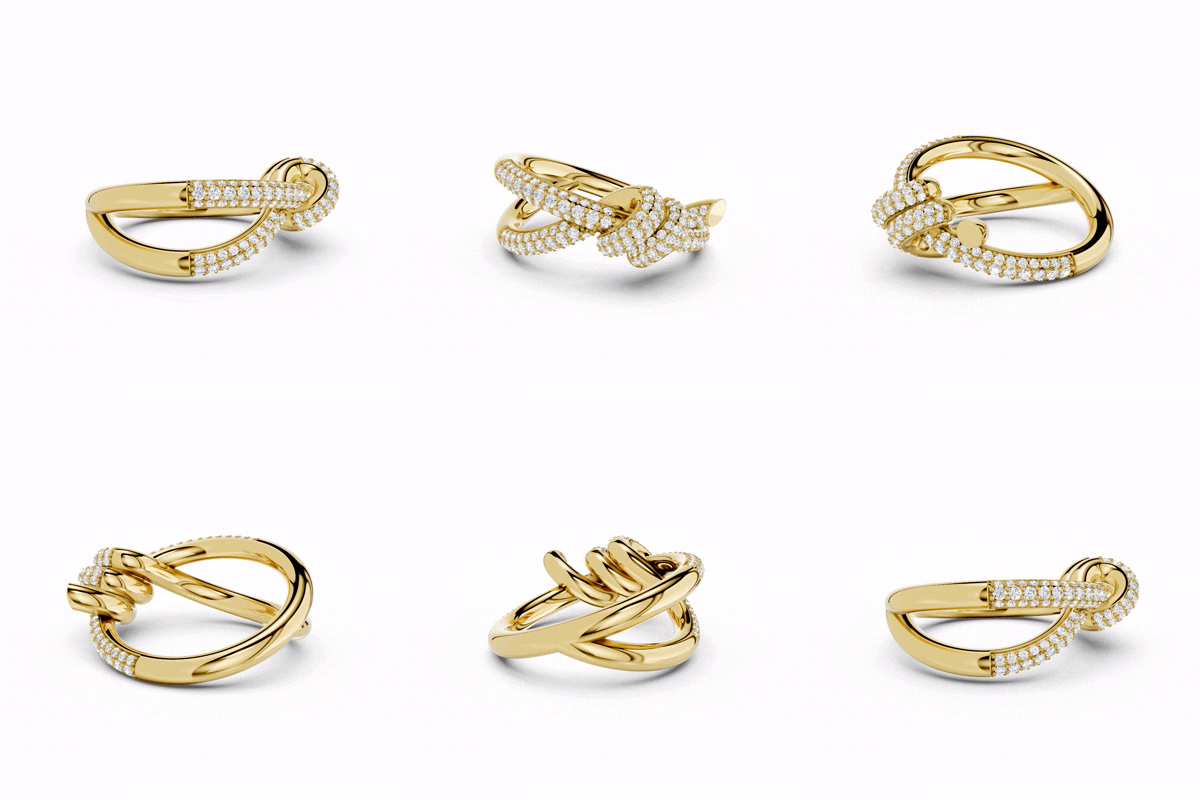
- Two band rings – one in white gold, one in black titanium and rose gold
- One signet ring – in white gold with rows of pavé-set diamonds
Each piece works on its own. But the real magic happens when you mix and stack them together. Rings pair with other rings. A necklace can be worn on the wrist. The collection actively encourages you to break the rules of traditional styling.
Two Worlds In One Collection: The Metals Explained
One of the most striking things about the RVL collection is how it uses two very different sets of materials that contrast beautifully against each other.
- White gold pieces feature clean, smooth surfaces with rows of pavé-set diamonds. They feel polished and confident – simple statements with strong energy. An irregular octagon pendant, a signet ring, a cord bracelet, and a band ring make up this group.
- Black titanium and rose gold pieces tell a completely different story. The lines on these pieces are carved into the surface as depressions in the metal, then filled with rose gold. This creates a look that is both tactile and visually striking – the warm rose gold pops against the dark brushed titanium.
Both sets of pieces also carry a hidden surprise: a small diamond placed next to the concealed brand letters. This diamond is invisible to the world unless the wearer decides to share it. It becomes a private detail – a secret between the piece and the person who wears it.
Pieces from both metal families can be worn together, giving wearers a wide range of styling possibilities from minimal to bold.
What Does 14k RVL Mean On A Necklace Clasp?
This is one of the most common questions people ask online. If your necklace clasp has both “14k” and “RVL” stamped on it, here is exactly what that means:
- 14k tells you the metal is 14-karat gold, which contains 58.3% pure gold. It is a genuine gold quality mark recognized worldwide.
- RVL is the maker’s mark – a code that identifies the manufacturer or brand that created the piece.
These two stamps work independently. The gold purity (14k) is a legal or industry standard mark. The maker’s mark (RVL) is simply the brand identifier. Together, they tell you what you have and who made it.
If you are trying to identify the specific maker, you can look up jewelry maker’s marks in national trademark databases or seek help from a certified gemologist. Each registered mark is linked to a specific company or workshop.
Brands like Metalonyx also stamp their pieces with maker’s marks alongside gold purity codes, which is standard practice in fine jewelry across the world.
Recommended to Read: What is Gold Vermeil: Meaning, Process & Benefits
RVL On Vintage Jewelry
Finding RVL on a vintage piece is especially interesting. Vintage jewelry from past decades often carries these three-letter maker’s codes on clasps, inner bands, or back plates. If your piece is vintage and stamped with 14k RVL, it means you have a genuine gold piece from a specific manufacturer who used this code during the time the piece was made.
For example, a vintage 14k yellow gold bracelet with an RVL stamp is a real, solid gold item. The RVL code simply tells you who the maker was. These vintage pieces are collectible and genuinely valuable – especially when the gold purity stamp and maker’s mark are both clearly visible and legible.
If you are buying or selling vintage RVL-marked jewelry, always verify:
- The gold purity mark (14k, 18k, etc.)
- The overall condition of the stamp (clear stamps are better)
- The weight of the piece (gold is heavier than it looks)
- Whether any stones are real or synthetic
Why Jewelry Makers Use Stamps And Codes
You might wonder why jewelers bother stamping these codes in the first place. The answer is about trust, traceability, and tradition.
Jewelry makers have been stamping their work for centuries. These marks serve several important purposes:
- Authenticity: A maker’s mark proves the piece came from a real, identifiable source
- Quality assurance: Purity marks confirm the metal content to the buyer
- Legal requirement: In many countries, gold and silver jewelry must carry a hallmark by law
- Collectibility: Collectors and historians use marks to date pieces and identify their origin
Reputable jewelry houses and independent craftspeople alike use these codes. When you see RVL on a piece, you are looking at a tradition that goes back hundreds of years in the jewelry trade.
Brands like Metalonyx carry on this tradition today, ensuring every piece leaves the workshop with clear stamps that buyers can trust.
How To Read Jewelry Stamps Like A Pro
Jewelry stamps can feel like a secret language, but once you know the basics, they are easy to read. Here is a quick breakdown:
Gold purity marks:
- 10k – 41.7% pure gold
- 14k – 58.3% pure gold
- 18k – 75% pure gold
- 24k – 99.9% pure gold (pure gold, rarely used in jewelry)
Common additional marks:
- Maker’s initials or code (like RVL) – tells you who made it
- Country of origin mark – tells you where it was made
- Assay office mark – in some countries, a government body verifies the quality
When you see multiple stamps on one piece, each one tells you something different. A mark like “18k RVL” means 18-karat gold made by the brand identified as RVL.
Is RVL Jewelry Worth Buying?
Whether you are looking at a vintage 14k RVL bracelet or a piece from the RVL fine jewelry collection, the answer depends on what you value.
- If you want investment value: Look at the gold purity mark. Gold content holds real value regardless of the brand. A 14k or 18k piece has intrinsic metal value even beyond the design.
- If you want style and story: The RVL collection is a strong choice for anyone who loves the idea of wearing something with hidden meaning. The dual-metal approach, the secret monogram, and the genderless styling options give you a lot to work with.
- If you want vintage charm: A vintage 14k RVL piece is a genuine gold item with history behind it. These pieces often sell for less than new jewelry of the same quality because they are less marketed, making them good value finds.
No matter what draws you to an RVL-marked piece, always buy from a trusted source and ask for any available documentation or certificates.
Frequently Asked Questions (FAQs)
RVL on a gold necklace is most likely a maker’s mark – a code that identifies the manufacturer or brand of the piece. If it appears alongside a purity mark like “14k,” the necklace is genuine 14-karat gold made by the jewelry house identified as RVL.
RVL itself is not a gold purity mark. The gold purity is shown by marks like 10k, 14k, or 18k. RVL is a separate maker’s mark that identifies the brand or manufacturer.
It means the clasp – and likely the entire piece – is made of 14-karat gold (58.3% pure gold), and the maker’s identifying code is RVL. Both marks appear together but mean different things.
The RVL collection is a well-known gender-neutral fine jewelry line featuring seven pieces in white gold with diamonds and black titanium with rose gold. The name RVL stands for “reveal” and the collection is designed around the idea of self-expression and hidden personal meaning.
Anyone can wear RVL jewelry. The collection is fully gender-neutral, meaning it is designed with no restrictions on who wears it or how. Pieces are meant to be mixed, stacked, and styled in any way the wearer chooses.
Yes. Vintage pieces stamped with RVL and a gold purity mark do appear on the market. They are genuine gold items from a specific maker who used that code. These can be great value pieces for those who love vintage jewelry with real gold content.
Look for a clear purity stamp (10k, 14k, 18k) alongside the RVL mark. For certainty, take the piece to a certified jeweler or gemologist who can test the metal content directly.
Final Thoughts
RVL on jewelry carries meaning on more than one level. It is a maker’s mark with a long history in the jewelry trade, a code that confirms who crafted a piece and holds it accountable to that identity. It is also the name of a bold, modern collection that challenges traditional ideas about who jewelry is for and how it should be worn.
Whether you found RVL on a vintage bracelet clasp, a necklace tag, or a contemporary ring, now you know exactly what you are looking at. The stamp tells a story – about the gold, about the maker, and sometimes, about a deeper message hidden in the metal itself.
Next time you pick up a piece of jewelry, flip it over. You might find something worth knowing.
How useful was this post?
Click on a star to rate it!
Average rating 4.7 / 5. Vote count: 27
No votes so far! Be the first to rate this post.
We are sorry that this post was not useful for you!
Let us improve this post!
Tell us how we can improve this post?